
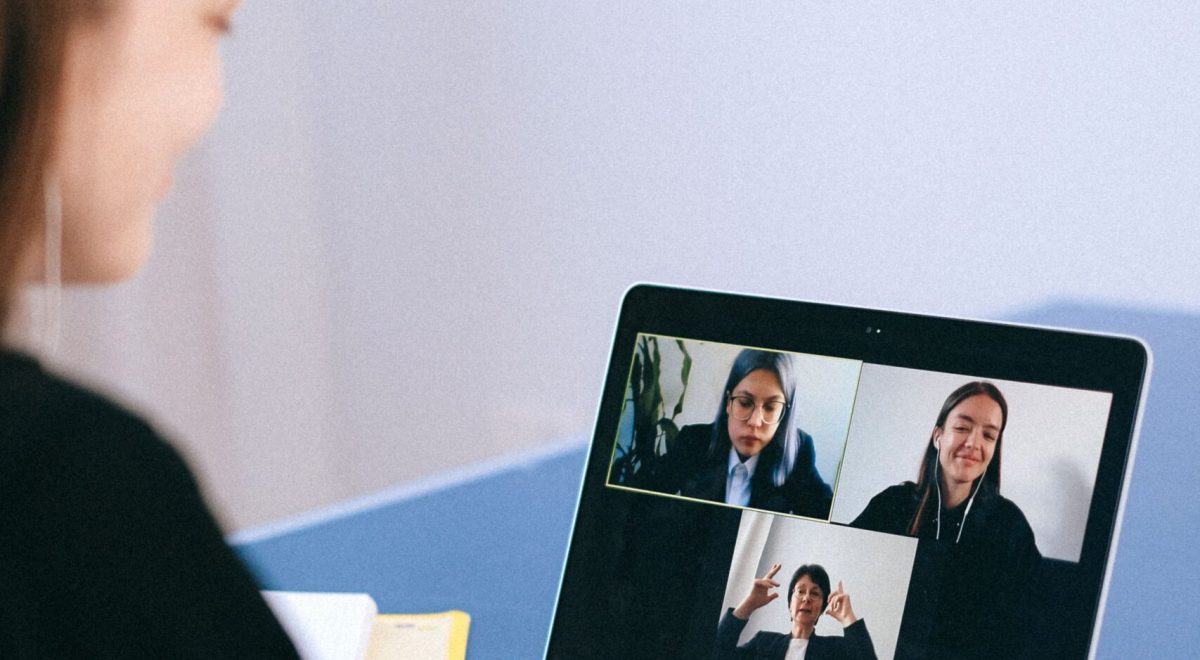
How to Build a Successful Remote Team: A Manager’s Guide
Managing a distributed workforce is no longer an emergency contingency plan—it is a core strategic advantage for modern companies. A well-structured remote team allows organizations to tap into global talent pools, reduce overhead costs, and build a culture focused on output rather than physical presence. However, transitioning from a centralized office to a distributed model presents distinct operational challenges, including communication silos, fragmented workflows, decreased visibility, and team isolation.
Learning how to build a successful remote team: a manager’s guide requires shifting leadership paradigms from traditional monitoring to intentional communication, structured accountability, and trust-based management.
This guide provides an actionable framework for hiring, onboarding, structuring workflows, and leading high-performing remote teams in 2026.
1. How to Build a Successful Remote Team: Asynchronous Communication
How to Build a Successful Remote Team
The most common mistake remote managers make is replicating the synchronous office environment online. Expecting immediate responses on chat platforms like Slack or Microsoft Team creates continuous context-switching and prevents deep, focused work.
High-performing remote organizations operate on an asynchronous-first communication model, where work progresses without requiring all team members to be online simultaneously.
┌────────────────────────────────────────────────────────────────────────┐
│ Synchronous Default (Inefficient)                                      │
│ Question ──► Wait for Meeting ──► Discuss ──► Action (24-48 Hours)     │
├────────────────────────────────────────────────────────────────────────┤
│ Asynchronous-First Model (Scalable)                                    │
│ Documented Pitch ──► Async Feedback ──► Immediate Execution (Continuous)│
└────────────────────────────────────────────────────────────────────────┘
Core Principles of Asynchronous Communication:
- Default to Public Documentation: Move discussions out of private direct messages and into public project channels or central documentation hubs (such as Notion or Confluence).
- Define Response Time Expectations: Set clear guidelines distinguishing urgent issues from standard queries. For example, mandate a 24-hour response window for non-urgent internal communications.
- Master the Art of Context-Rich Messaging: Require team members to provide complete background information, relevant links, and explicit call-to-actions in a single message to minimize unnecessary back-and-forth threads.
2. Setting Up the Essential Remote Tech Stack
How to Build a Successful Remote Team
A remote team relies entirely on its digital infrastructure to operate efficiently. Without a cohesive software stack, teams suffer from fragmented information, lost files, and misaligned project priorities.
Select tools that serve specific operational pillars and integrate seamlessly with one another.
[ Slack / Teams ] ──► Real-Time & Asynchronous Chat
[ ClickUp / Jira ] ──► Project & Task Tracking
[ Notion / Coda ]  ──► Centralized Knowledge & SOPs
[ Loom / Zoom ]    ──► Video Messaging & Strategic Meetings
Core Categories for the Remote Stack:
- Communication Hubs (Slack, Microsoft Teams): Designed for quick announcements, team socialization, and structured project channels.
- Project Management Platforms (ClickUp, Asana, Jira): Centralize task assignments, due dates, project dependencies, and progress status.
- Knowledge Management (Notion, Basecamp): Serve as the single source of truth for Standard Operating Procedures (SOPs), company policies, and technical documentation.
- Asynchronous Video Tools (Loom, CloudApp): Allow managers and team members to share quick screen recordings for code reviews, design feedback, or project walkthroughs without scheduling a meeting.
3. Hiring for Remote Fit: Competencies Beyond Technical Skills
How to Build a Successful Remote Team
Hiring for a remote position requires evaluating candidates for attributes that traditional in-office interviews often overlook. A candidate with exceptional technical qualifications may still struggle in a distributed environment if they lack self-direction or proactive communication skills.
┌────────────────────────────────────────────────────────────────────────┐
│ Ideal Remote Candidate Profile                                         │
│ ├── Self-Management & Prioritization                                   │
│ ├── Proactive, Context-Rich Written Communication                      │
│ └── Problem-Solving Autonomy                                          │
└────────────────────────────────────────────────────────────────────────┘
Essential Remote Competencies to Evaluate:
- Written Communication Clarity: Since the majority of remote communication is written, evaluate how clearly candidates articulate ideas in writing during the interview process.
- Autonomy and Self-Direction: Look for past evidence of candidates taking initiative, managing their own schedules, and solving problems independently when guidance was not immediately available.
- Time Management and Prioritization: Assess whether candidates can break down large projects into manageable milestones without needing daily managerial oversight.
4. Designing a High-Impact Remote Onboarding Experience
How to Build a Successful Remote Team
An employee’s first two weeks set the tone for their long-term engagement and productivity. In an office, new hires learn organically by observing colleagues. In a remote setup, onboarding must be meticulously structured and documented to prevent new hires from feeling lost or isolated.
Key Components of a Remote Onboarding Plan:
[ Day 1–7: Orientation ] ──► [ Week 2–3: Shadowing & SOPs ] ──► [ Month 1: First Independent Project ]
- Pre-Boarding Logistics: Ensure equipment (laptops, security keys, software access) arrives at the employee’s home at least three days before their start date.
- The “Onboarding Buddy” System: Pair every new hire with a peer mentor outside their direct reporting line to answer daily questions and help them navigate company culture.
- Structured 30-60-90 Day Goals: Define clear, measurable performance milestones for the first three months so the new employee understands exactly what success looks like.
- Centralized Onboarding Wiki: Create a dedicated dashboard containing company history, team structures, key contact lists, and step-by-step training modules.
5. Transitioning from Activity Tracking to Output-Based Management
How to Build a Successful Remote Team
Micromanagement is destructive in an office, but it is fatal in a remote environment. Attempting to track keystrokes, monitor mouse movements, or require employees to keep green status indicators active on chat apps breeds distrust and burnout.
Effective remote leadership requires transitioning completely to Output-Based Performance Management.
┌────────────────────────────────────────────────────────────────────────┐
│ Activity-Based Management (Flawed)                                     │
│ Focus: Hours Logged, Status Indicators, Physical Presence              │
├────────────────────────────────────────────────────────────────────────┤
│ Output-Based Management (Effective)                                    │
│ Focus: Project Deliverables, Quality of Work, Key Results (OKRs)       │
└────────────────────────────────────────────────────────────────────────┘
How to Implement Output-Based Management:
- Adopt OKRs (Objectives and Key Results): Align company goals with team and individual targets, focusing on business outcomes rather than hours spent at a desk.
- Define “Done” Clearly: Ensure every project ticket or task assignment includes explicit acceptance criteria, quality standards, and deadlines.
- Focus on Key Performance Indicators (KPIs): Evaluate team members based on measurable outputs—such as code merged, content published, sales qualified, or support tickets resolved with high satisfaction scores.
6. Fostering Culture, Trust, and Connection Across Distances
How to Build a Successful Remote Team
Culture in a remote team does not happen spontaneously; it must be built intentionally. Without physical breakrooms or casual lunches, managers must create structured opportunities for informal social interaction and team bonding.
Strategies for Building Remote Team Cohesion:
- Virtual Coffee Chats: Schedule optional 15-to-30-minute informal catch-ups where work topics are off-limits.
- Dedicated Non-Work Channels: Maintain Slack or Teams channels for shared interests, such as
#pets,#books,#fitness, or#cooking. - Annual or Bi-Annual In-Person Retreats: Whenever budget permits, bring distributed teams together once or twice a year for team building, strategic planning, and relationship building.
- Public Recognition Programs: Dedicate time in team meetings or use digital recognition channels to celebrate personal achievements, work anniversaries, and project milestones.
7. Preventing Burnout and Managing Work-Life Boundaries
How to Build a Successful Remote Team
When the office is located in the home, the boundary between professional and personal life quickly blurs. Remote employees often struggle with the “always-on” syndrome, leading to overwork, chronic fatigue, and eventual burnout.
Managers play a primary role in modeling healthy work-life boundaries and encouraging sustainable work habits.
┌────────────────────────────────────────────────────────────────────────┐
│ Manager's Role in Burnout Prevention                                   │
│ ├── Model Disconnection (No Late-Night Emails)                         │
│ ├── Enforce Time-Off Policies                                          │
│ └── Monitor Workload Distribution Regularly                            │
└────────────────────────────────────────────────────────────────────────┘
Actionable Burnout Prevention Tactics:
- Lead by Example: Avoid sending late-night messages or weekend emails. If you work outside standard hours, use schedule-send features to deliver messages during the recipient’s working hours.
- Encourage Complete Disconnection: Enforce mandatory minimum vacation days and ensure team members fully offload their duties before taking leave.
- Conduct Regular 1-on-1 Check-Ins: Use weekly or bi-weekly one-on-one meetings not just to review task status, but to actively inquire about employee workload, stress levels, and mental well-being.
Remote Management Framework Comparison Matrix
How to Build a Successful Remote Team
Managing a distributed team successfully requires selecting the right management approaches across key operational areas.
| Operational Area | Traditional In-Office Approach | Outdated Remote Approach | Modern High-Performing Remote Framework |
| Communication | Spontaneous verbal conversations | Constant Zoom meetings & instant replies | Asynchronous-first with documented context |
| Performance Measurement | Hours spent at desk & physical presence | Keystroke tracking & online status green dots | Clear deliverables, KPIs, and OKR outcomes |
| Documentation | Tribal knowledge & oral instructions | Scattered local files & desktop folders | Centralized, searchable digital knowledge hub |
| Meeting Structure | Daily status update meetings | Long virtual status calls | Brief async check-ins & targeted decision calls |
| Team Culture | Physical perks, snacks, & office layout | Mandatory virtual happy hours | Autonomy, flexibility, and meaningful retreats |
Implementation Roadmap: Building Your Remote Operations
How to Build a Successful Remote Team
Transitioning your team or department to an efficient remote-first model requires a structured execution plan over 90 days.
[ Phase 1: Tech & Docs (Days 1–30) ] ──► [ Phase 2: Async & KPIs (Days 31–60) ] ──► [ Phase 3: Culture (Days 61–90+) ]
Phase 1: Infrastructure & Documentation (Days 1 – 30)
- Audit your current software applications and consolidate redundant tools into a streamlined tech stack.
- Build a central knowledge base in Notion or Confluence and begin documenting all primary Standard Operating Procedures (SOPs).
- Establish explicit communication guidelines covering response times, channel usage, and meeting protocols.
Phase 2: Workflow & Performance Alignment (Days 31 – 60)
- Transition project tracking to a centralized tool (e.g., ClickUp or Asana) and ensure every project has assigned owners and clear acceptance criteria.
- Implement an asynchronous daily check-in routine to replace lengthy status meetings.
- Shift performance evaluation metrics to goal-oriented OKRs and key output deliverables.
Phase 3: Engagement & Continuous Optimization (Days 61 – 90+)
- Launch peer-to-peer recognition initiatives and set up non-work social channels for casual interaction.
- Establish structured onboarding workflows for all upcoming hiring pipelines.
- Conduct quarterly reviews of communication efficiency, tool adoption, and team workload balance to continuously refine your remote operations.
Frequently Asked Questions (FAQs)
How to Build a Successful Remote Team
How do you handle time zone differences in a global remote team?
Manage global time zones by leaning heavily on asynchronous communication tools and documentation. Establish a small window of overlapping hours (2–3 hours) for synchronous meetings, and rotate meeting times periodically so the same team members are not consistently inconvenienced.
How often should a remote manager hold one-on-one meetings?
Remote managers should conduct 1-on-1 meetings weekly or bi-weekly for 30 to 45 minutes. These sessions should prioritize career growth, feedback, workload review, and personal well-being rather than routine project status updates, which should be handled asynchronously.
What is the most effective way to address underperformance in a remote environment?
Address underperformance early by pointing to specific, objective data—such as missed deliverables, incomplete task acceptance criteria, or delayed communication. Schedule a dedicated video call to discuss root causes, clarify performance expectations, and establish a clear 30-day action plan with measurable benchmarks.
Conclusion
How to Build a Successful Remote Team
Understanding how to build a successful remote team: a manager’s guide comes down to replacing proximity with process and replacing control with trust. By establishing clear asynchronous communication standards, implementing a modern tech stack, evaluating output rather than hours logged, and building an inclusive remote culture, managers can lead distributed teams that are highly productive, resilient, and engaged. Start by auditing your current communication habits, document your core processes, and empower your team to work with autonomy.